Topic_
Projects
Research
Current Funded Projects
No_
009
Date_

Explore the innovative research and development initiatives our team is working on. From pioneering flight operations solutions to advancing sustainable technologies, our current projects showcase how we turn ideas into impact.
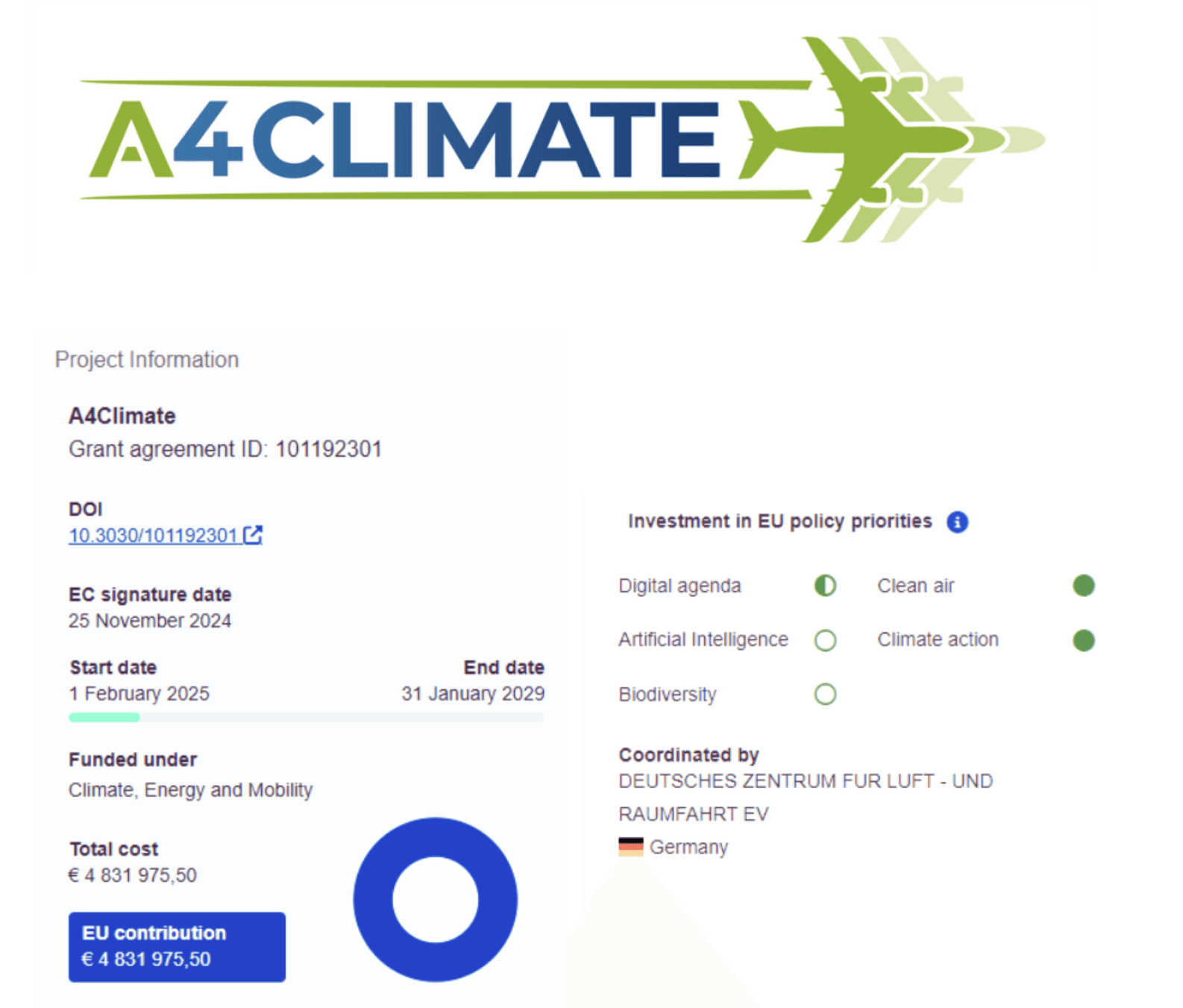
A4Climate
Project type_ Research
Date_ 1 February 2025 - 31 January 2029
Role_ Contributor and Work Package Lead
Link_ Project Website
Link_ LinkedIn Page
Link_ HEU Project Page - Cordis
Project Description
Contrails and other non-CO2 effects significantly contribute to global warming from air traffic. Mitigating these effects could halve aviation’s effective radiative forcing within a decade. However, large uncertainties currently hinder progress, even as the EU mandates their monitoring by 2028. The EU-funded A4CLIMATE project tackles this challenge by enhancing understanding of engine emissions, contrails, and their climate impact.
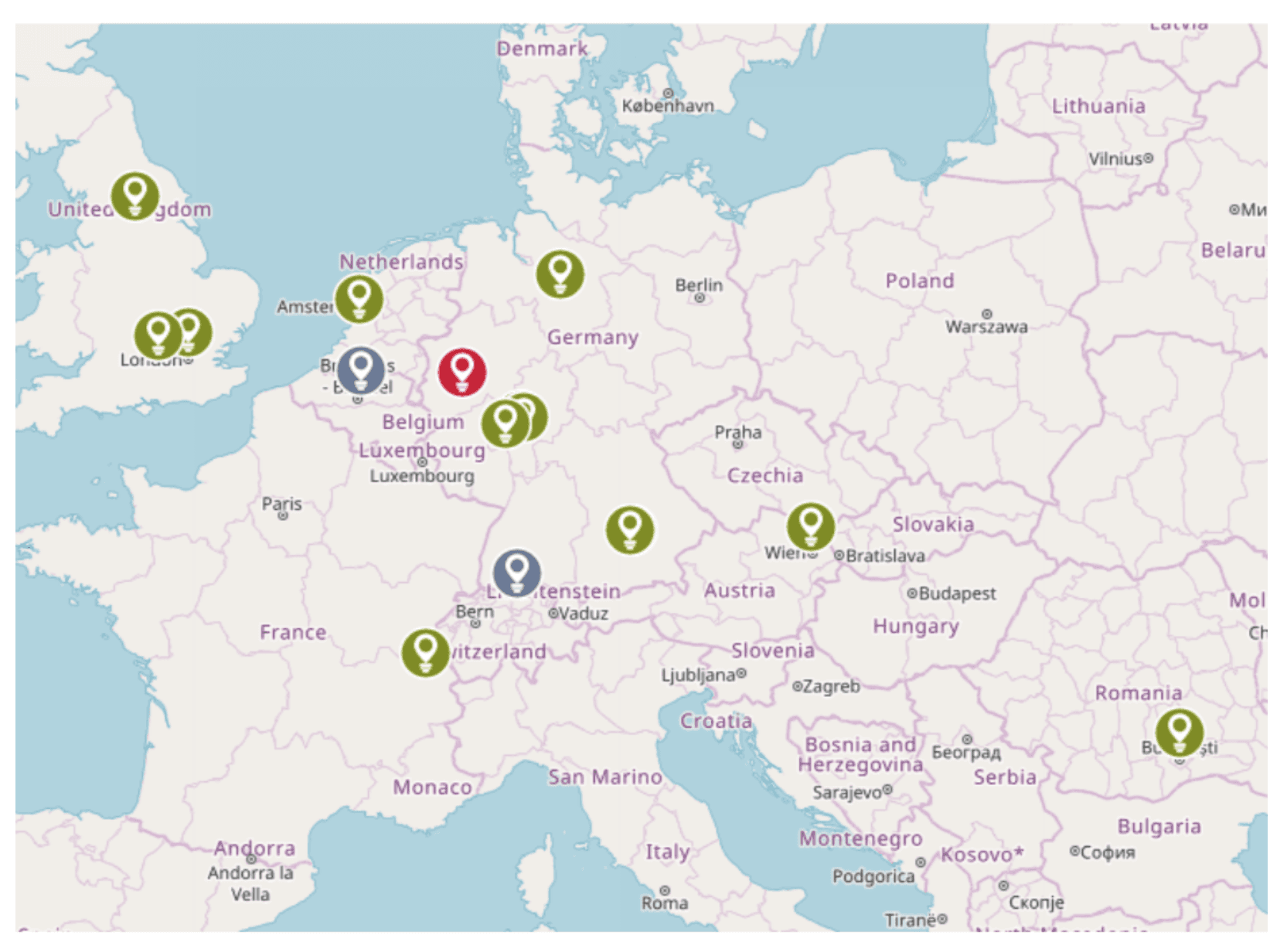
A4CLIMATE uses a cutting-edge contrail prediction tool to evaluate 400 airline flights avoiding contrails. Ground-breaking research will investigate contrail formation by modern cleaner propulsion systems. A4CLIMATE also generates critical and comprehensive atmospheric data from a unique research aircraft campaign. Bringing together partners across nine countries, A4CLIMATE aims to deliver actionable solutions, paving the way for sustainable aviation practices.
The A4Climate project is an ambitious EU-funded initiative that aims to significantly reduce aviation's climate impact by addressing one of the most overlooked contributors to global warming: aircraft contrails. These high-altitude ice crystal formations, along with other non-CO2 emissions from aviation, contribute substantially to climate change—yet targeted mitigation strategies have been hindered by scientific uncertainties. A4Climate brings together 17 partners across 9 countries to develop and validate cutting-edge contrail prediction technology, conducting real-world testing on 400 airline flights to demonstrate contrail avoidance strategies. The project combines groundbreaking laboratory research on modern engine emissions, comprehensive atmospheric data collection through specialized research aircraft campaigns, and the development of real-time software tools that airlines can use to make climate-conscious flight decisions. With the potential to halve aviation's climate forcing within a decade and support upcoming EU regulatory requirements for contrail monitoring, A4Climate represents a critical step toward sustainable aviation practices that could transform how the industry approaches its environmental impact.
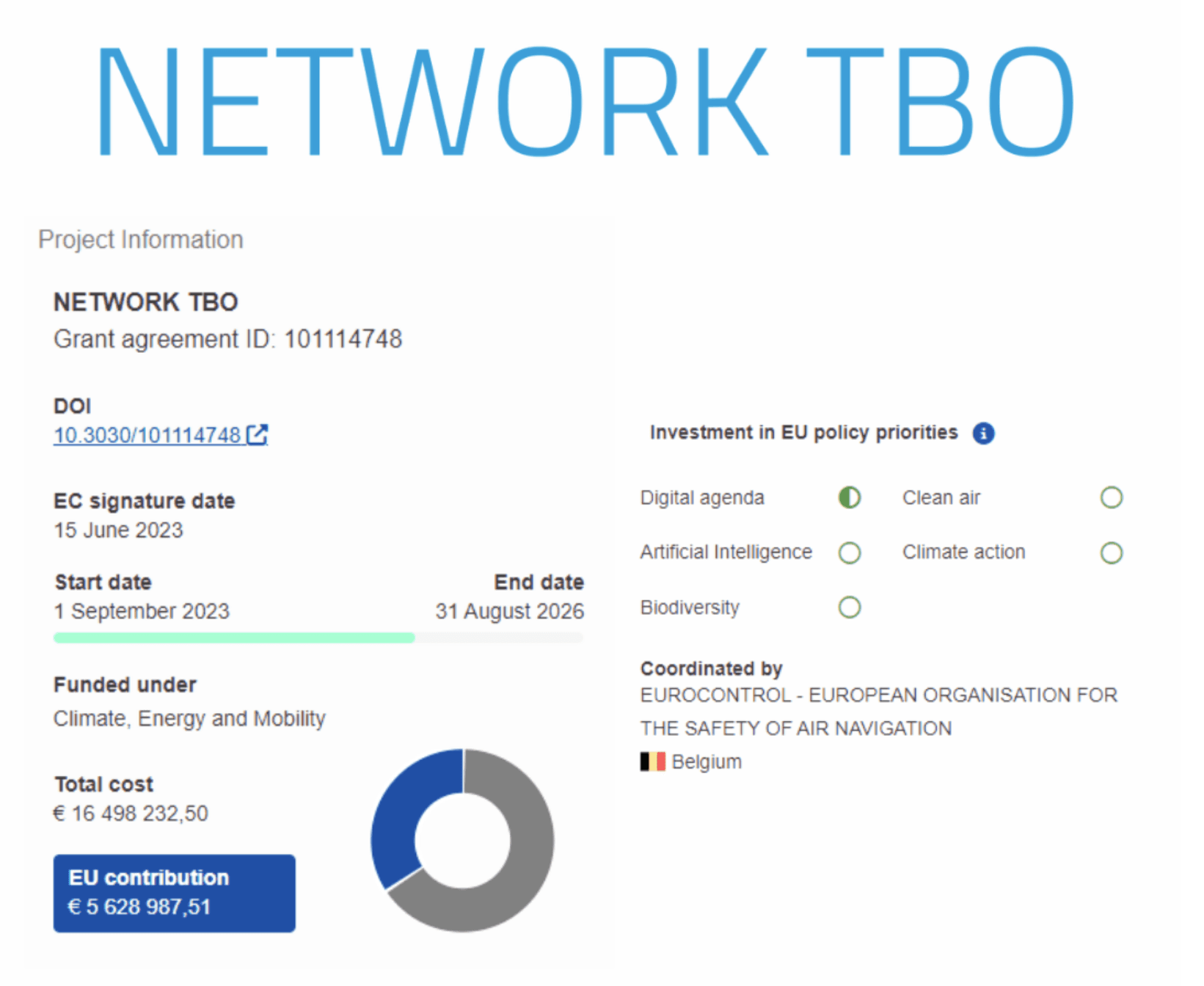
Network TBO
Project type_ Research
Date_ 1 September 2023 - 31 August 2026
Role_ Contributor and Observer
Link_ Project Website
Link_ Project LinkedIn
Link_ HEU Project website - Cordis
Project Overview
Integrated 4D trajectory automation to support Trajectory Based Operations (TBO), focusing on the development of a common end to end 4D trajectory, shared between every application that needs to process each flight, and updated by every application acting upon that flight, to underpin ground-provided ATM information.
The R&I needs addressed are: integrated 4D trajectory automation in support of TBO; enabling greater ground and airborne integration and wider performance.
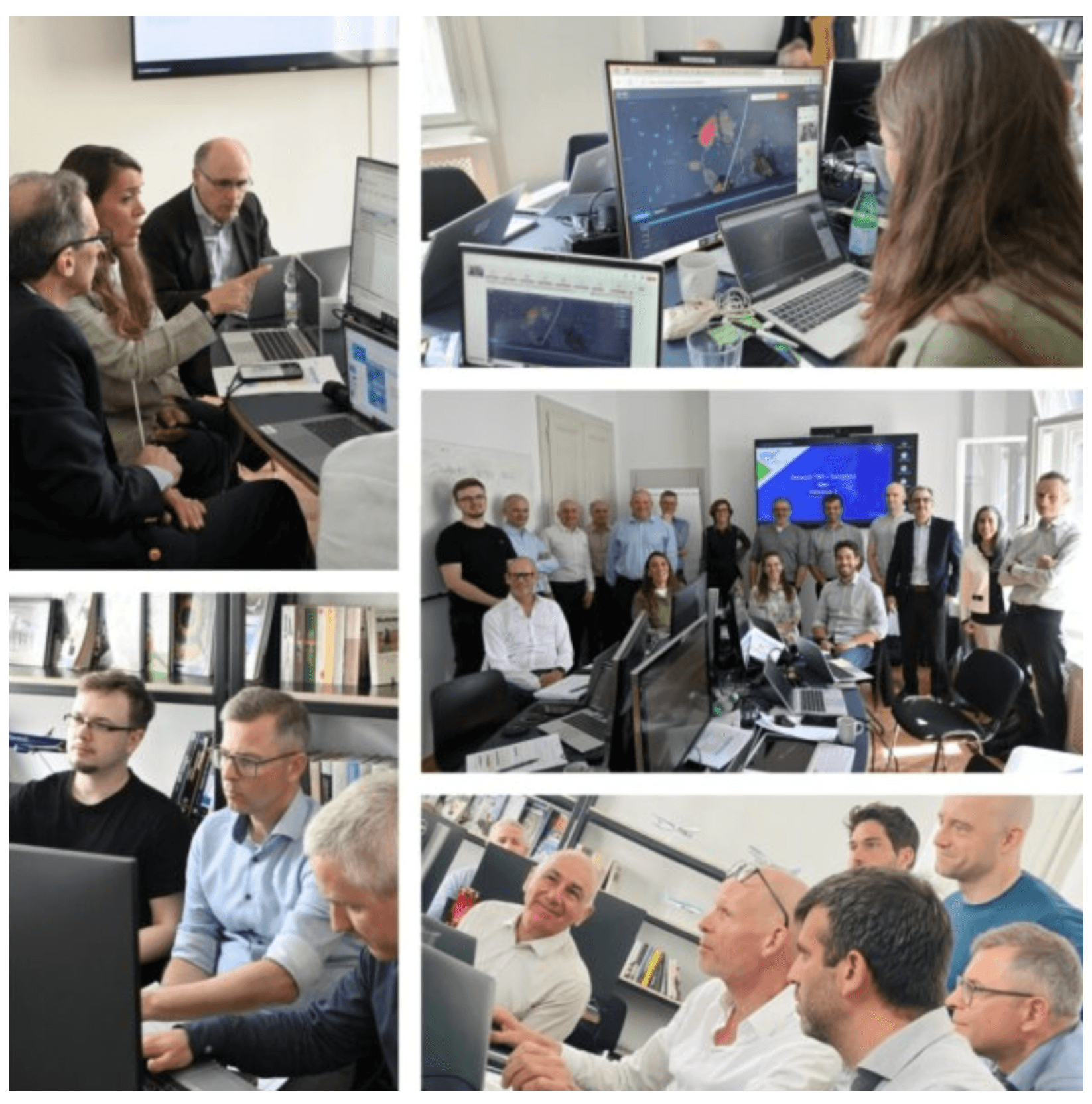
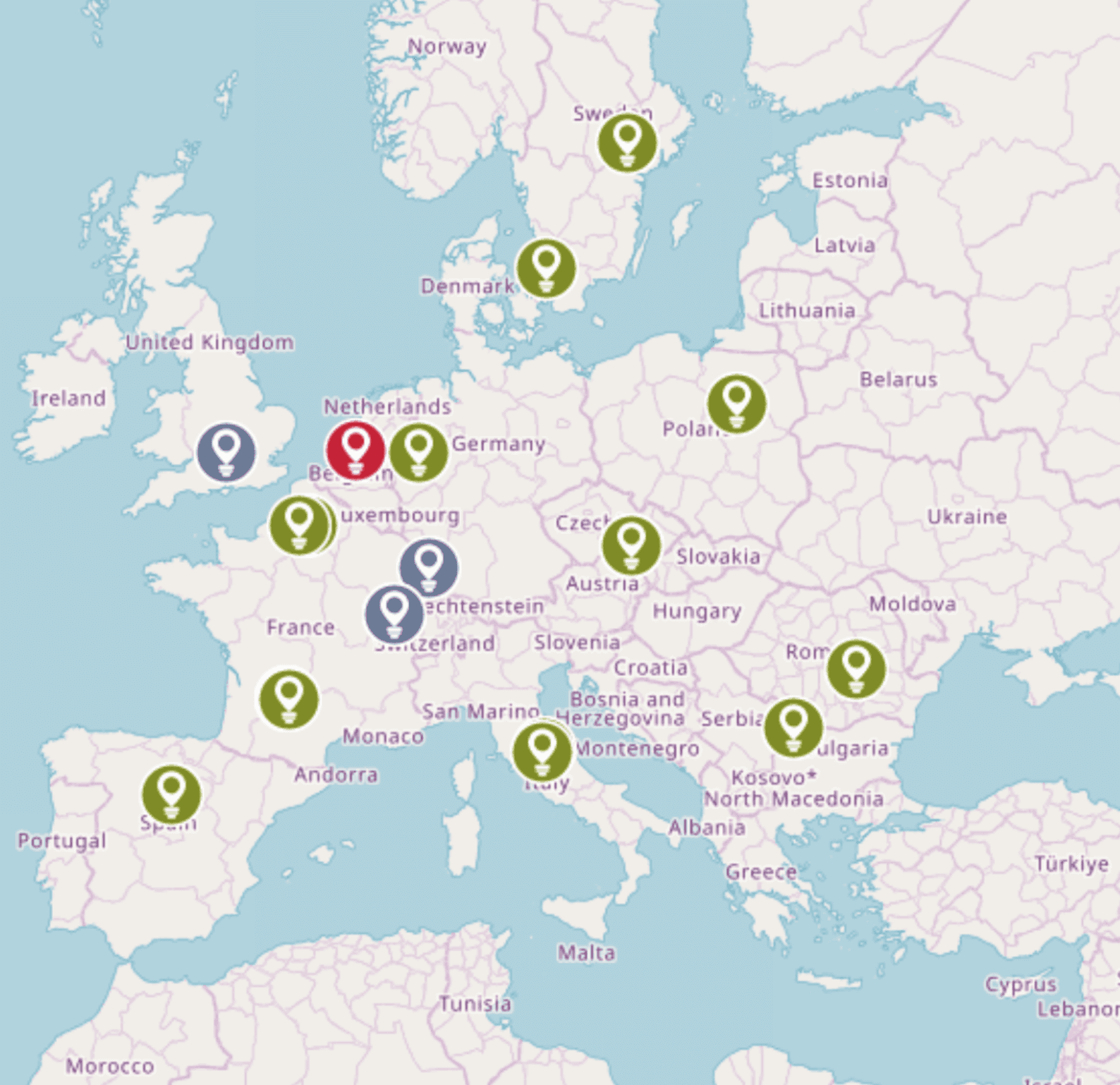
The project partners are: EUROCONTROL, NAVIAIR, LFV, THALES LAS, AIRBUS, INDRA, BULATSA, LEONARDO, ROMATSA RA, ENAC, DLR, RCF, DSNA, CAE Austria, AI OPS SAS, PANSA, FLIGHTKEYS, ENAV, SWISS, SKYGUIDE, SKYSOFT-ATM, NATS.
The project is supported by the SESAR 3 Joint Undertaking and its founding members.
This work has received funding from the Swiss State Secretariat for Education, Research and Innovation (SERI).
The NETWORK TBO (Network Trajectory Based Operations) project develops solutions to enable trajectory-based operations across the entire European air traffic network. The project focuses on sharing a common plan for each flight's trajectory, matching that trajectory to performance needs, and delivering it through ATC clearances. NETWORK TBO specifically addresses both planning and execution phases from a network-wide perspective, implementing flight and flow management in a collaborative environment. The project utilizes downlinked data from aircraft (EPP) and works to synchronize network-level and local trajectories to improve both air traffic control and network management processes. The goal is to create more predictable air traffic management by ensuring all stakeholders - airlines, air traffic controllers, and network managers - work with the same shared trajectory information throughout a flight's journey.